FREQUENTLY ASKED QUESTIONS (faq)
If you have a question about our products or services that is not listed here, please email: sales@metcase.co.uk with your question and our team will get back to you as soon as possible.
DESIGN-IN RESOURCES:
CUSTOMISING SERVICES:
CUSTOM SIZES
CUSTOM FRONT PANELS
MACHINING SERVICES
FIXINGS AND INSERTS
PAINTING AND FINISHING
PRINTING SERVICES
SPECIFYING METAL ENCLOSURES:
DESIGN-IN RESOURCES:
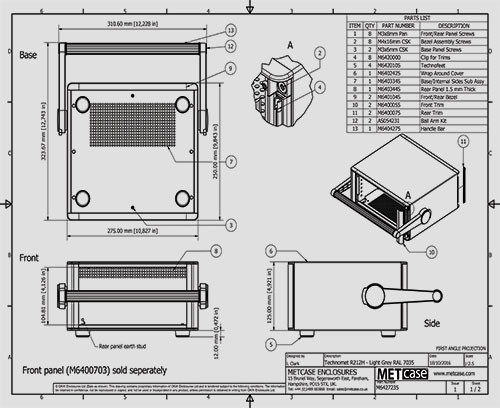
HOW DO I DOWNLOAD A METCASE DRAWING OR 3D MODEL?
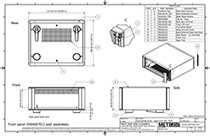
Drawings are available for all METCASE products. This is how to download them:
1). Go to the individual product page of the part number you need (e.g. M6219145).
2). Open the 'DRAWINGS/INFO' tab at the bottom of the page. Here you can download the files.
NOTES:
- For 2D drawing files (.dwg/.pdf) you do not need to register, you can download them straightaway (.dxf files can be supplied on request).
- For 3D models (.stp/.x_t/.sat) you need to register and then login before you can download these files.
Register and login here >>
Where can I download METCASE brochures, assembly instructions and certifications?
Downloads available:
- brochures and publications
- assembly instructions
- certifications such as ISO 9001:2015, REACH, RoHS.
Download these from our technical downloads page here >>
CUSTOMISING SERVICES:
CUSTOM SIZES
How much flexibility is there for custom sizes?
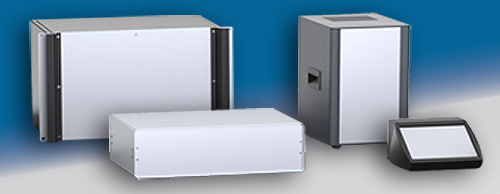
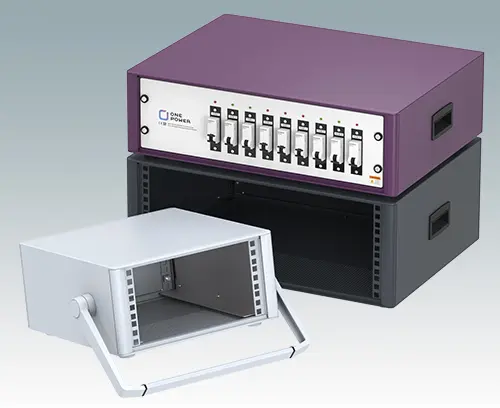
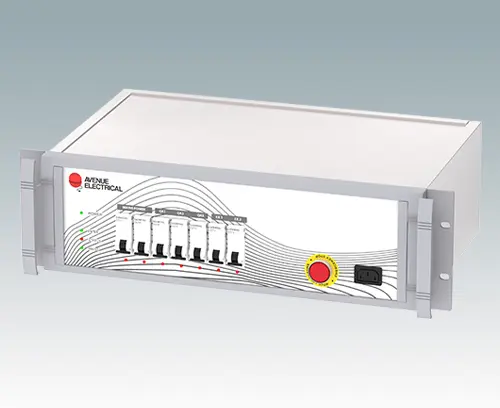
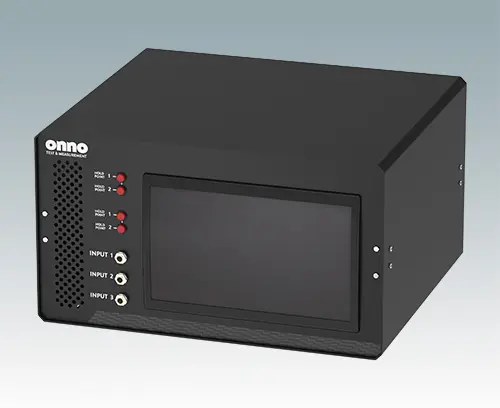
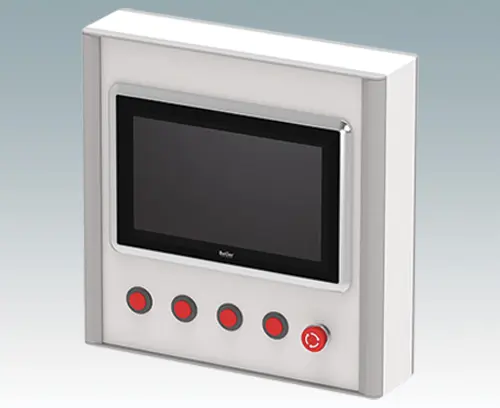
Virtually all METCASE enclosures are available in custom sizes. Most models can be specified in non-standard heights, widths and depths. Examples of this include our COMBIMET 19" rack cases, TECHNOMET premium instrument enclosures, TECHNOMET 19" desktop mini-racks and our TECHNOMET-CONTROL VESA-mount HMI enclosures. Some other models are not available in custom heights; one (UNIDESK) is available only in custom widths.
For a full list of custom size options, see these at-a-glance tables >>
Are there practical maximum or minimum sizes for width, height or depth beyond which the design becomes difficult or uneconomical to manufacture?
Custom-sized enclosures generally cost more than standard housings but quantity generates economies of scale – even for comparatively small orders. It does not take much to create a significant saving per unit because new technology has reduced set-up times.
The extra materials required for larger enclosures can have some effect on the price but the main factor is quantity.
The usual minimum order for a custom-sized enclosure is 10 units.
Read our guide to specifying customised metal enclosures >>
If I increase the size significantly, will the enclosure require additional strengthening or thicker material to maintain rigidity?
Some very large custom-sized enclosures may need added strengthening – resulting in extra design work – but this is rare.
CUSTOM FRONT PANELS
Can you produce fully finished front panels with all the required cut-outs for connectors, displays, switches and LEDs?
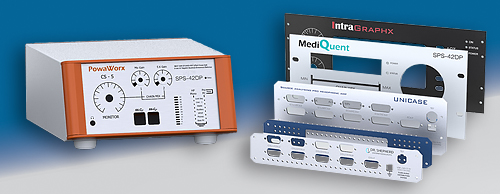
Yes, not only is this possible, it is effectively the default way that we deliver front panels. Many models are supplied without a standard front panel for precisely this reason: most customers specify a custom front panel instead.
We routinely supply front panels that are fully machined, finished and ready to accept all front-facing components in a single part. We can take your design and produce a panel with all the apertures for connectors, displays, switches, controls and LEDs.
These cut-outs are created directly from your drawings and can accommodate standard geometries such as round, rectangular or D-sub apertures, as well as fully bespoke shapes if required. The panel can then be supplied fully finished – anodised, powder coated or wet painted – with legends, logos and graphics applied afterwards via digital printing or engraving.
This approach eliminates a number of risks. You avoid misalignment between machining and graphics, you maintain tighter tolerances and you remove the need for secondary machining or rework on site.
So the real value isn’t just that we can ‘add holes’ – it’s that we can supply a front panel that arrives ready for immediate assembly, with all the mechanical and cosmetic features integrated and aligned to the original design.
Learn more about our custom front panel service >>
MACHINING SERVICES
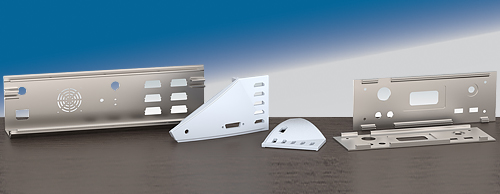
What is the normal bend radius for your standard material thickness?
For standard aluminium enclosure work, we typically use a bend radius of 3 mm (0.118"), assuming 1.5 mm to 2 mm (0.079") aluminium. If you change alloy or thickness, we may need to open that radius slightly to maintain consistency.
How close can holes or cut-outs be to a bend line?
We recommend keeping holes and cut-outs at least 4.5 mm (0.177") from bend lines in 1.5 mm (0.059") aluminium and 6.5 mm (0.256") away in 2.0 mm (0.079") aluminium. But we are happy to discuss any technical requirements you may have and can advise further.
What tolerances can you maintain on milled features, holes and cut-outs?
Our machining tolerance is +/- 0.1 mm (+/- 0.004") for cut-outs, recessed areas and holes of lengths up to 30 mm (1.181"), and +/- 0.15 mm (+/- 0.006") for lengths up to 120 mm (4.724").
We work to your drawings and specifications.
View this page for examples and contact us >>
What is the minimum internal corner radius you can achieve when milling?
The minimum corner radius is 1 mm (0.039").
FIXINGS AND INSERTS
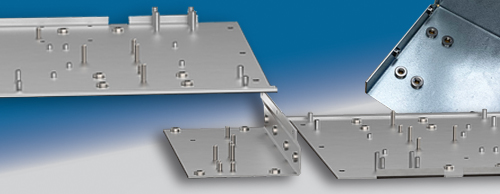
What types of fixings and inserts can you fit into aluminium enclosures?
METCASE can supply and install a wide range of standard fasteners including:
- flush-head fixing studs
- through standoffs
- blind standoffs
- concealed-head standoffs
- PCB standoffs
- self-clinch nuts
- right-angle panel nuts
- cable tie mounts.
These are typically fitted to aluminium and steel panels to provide strong threads and mounting points for components, assemblies and PCBs.
What thread sizes are available as standard?
Standard metric thread sizes typically offered by METCASE are:
Unified threads can also be supplied if required.
View fixings and inserts for customised aluminium enclosures >>
PAINTING AND FINISHING
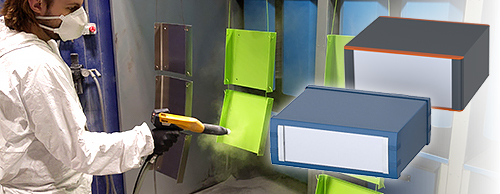
What finishes do you offer for aluminium enclosures?
Finishing options from METCASE include powder polyester painting, blemish-free linishing, specialist nickel-loaded lacquers for EMC shielding, and full-colour CMYK photo-quality digital printing of legends, logos and graphics.
Can you match a specific RAL or custom colour?
METCASE provides a selection of standard colours commonly used for enclosures. We can also match custom colours on request. We generally work with RAL colours but can match other shades on demand. Talk to our sales team if you need a specific colour or finish.
Is there a minimum order quantity for custom colours or finishes?
There is no minimum order quantity for always-in-stock non-standard colours. For other custom colours, the typical minimum order quantity is 10-25 units, depending on the shade required.
What is the difference between powder coating and anodising?
Powder coating is a paint-based finish applied as a surface layer, offering a wide choice of colours and textures and providing a cost-effective, durable solution. Anodising is an electrochemical process that modifies the aluminium surface itself, producing a harder, more wear-resistant finish with a characteristic metallic appearance but a more limited colour range. The choice depends on whether colour flexibility, durability or cost is the priority.
How durable is the finish (scratch resistance, corrosion resistance, wear)?
Powder coating provides good resistance to corrosion and general wear, although it can be scratched under mechanical impact. Anodising offers superior durability, with a harder surface that provides excellent resistance to wear and corrosion. All finishes benefit from pretreatment, which improves adhesion and overall longevity.
View custom colours and finishes for METCASE enclosures >>
PRINTING SERVICES
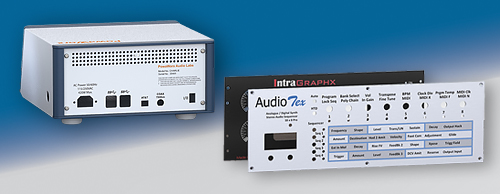
Can you print full colour graphics, logos and legends?
Yes, the process supports full CMYK colour printing, allowing logos, legends, gradients and complex graphics to be printed directly on to the enclosure.
What print quality and resolution can you achieve?
METCASE offers high-resolution digital printing up to 1,800 × 1,800 dpi, which is sufficient for photo-quality images, fine text and detailed front panel graphics.
What file formats do you require for artwork?
Preferred formats are vector files such as PDF, AI or EPS, as these ensure accuracy and scalability. CAD formats like DWG and DXF are also accepted for alignment with machined features. High-resolution raster files can be used if necessary but vector artwork is strongly preferred.
How durable is the printed finish?
The print uses UV-cured inks, which are hardened during the process and provide good resistance to scratching and chemicals. A protective lacquer can also be applied to improve durability further, making it suitable for most commercial environments.
What is the maximum panel or enclosure size you can print?
The maximum print area is approximately 600 mm × 420 mm (23.62" x 16.53"), A2 size.
What is the maximum enclosure height for direct printing?
The maximum component height for direct printing is approximately 150 mm (5.90"), which defines whether fully assembled enclosures can be printed.
Is digital printing suitable for low-volume production?
Digital printing is ideal for low and medium volumes because it does not require tooling; set up is minimal compared with traditional screen printing.
Can artwork be easily changed or updated between batches?
Yes, artwork can be modified quickly between production runs with no tooling changes, making it ideal for iterative designs or product variants. The process supports barcodes, QR codes and variable data – enabling product identification, traceability and serialisation.
How accurately can you position graphics relative to machined features?
Graphics can be positioned accurately relative to features, provided that dimensioned drawings or CAD data are supplied. Alignment depends on the accuracy of the supplied data and the underlying machining tolerances.
How fast is digital printing compared with silk screen or tampo printing?
Digital printing is significantly faster to set up and run, as it requires no screens or tooling. This results in shorter lead times (especially for small batches). The process is ideal for designs that involve frequent changes.
Find out more, see examples of digital printing for enclosures and front panels >>
SPECIFYING METAL ENCLOSURES:
How do you earth a metal electronic enclosure?
There are different methods for earthing a metal electronic enclosure. METCASE strongly recommends the use of self-clinch stainless steel fasteners for the highest level of reliability – for both the strength of the insert (to ensure that it does not fall out) and for the earth bonding compatibility over long periods of time.
Best practice is to provide a dedicated protective earth (PE) stud formed using a self-clinching stainless-steel stud or nut installed directly into the primary structural chassis. This is typically the base or a main side wall but many METCASE enclosures feature earthing studs as standard on every panel. Inserts must be mechanically permanent, resistant to rotation/pull-out and located close to the mains entry point.
Stainless steel is preferred for the insert itself due to its mechanical robustness and long-term stability under thermal cycling and vibration. However, the electrical integrity of the earth connection is governed less by the insert material and more by the metal-to-metal interface between the insert and the aluminium substrate. Aluminium oxide, anodising and powder coating are electrically resistive so the PE insert must be installed into bare aluminium, with the bonding area masked during finishing. The self-clinching process is advantageous here, as it cold-flows the aluminium into the serrations of the insert, creating a gas-tight interface that is stable over time and far superior to a tapped hole or loose nut from both electrical and mechanical perspectives.
All incoming protective conductors should terminate using a crimped ring terminal, secured to the PE stud with a stainless nut and serrated or star washer on the conductor side to maintain contact pressure and break any residual oxide film. The same philosophy applies to the bonding of removable panels and subassemblies: where self-clinch nuts or studs are used to secure panels, at least one fixing per panel should be designated as a bonding fixing, again installed into uncoated aluminium and paired with a serrated washer to ensure a reliable earth path independent of cosmetic finishes.
View the full range of fixings and inserts >>
Are ventilated rack enclosures enough for heat dissipation?
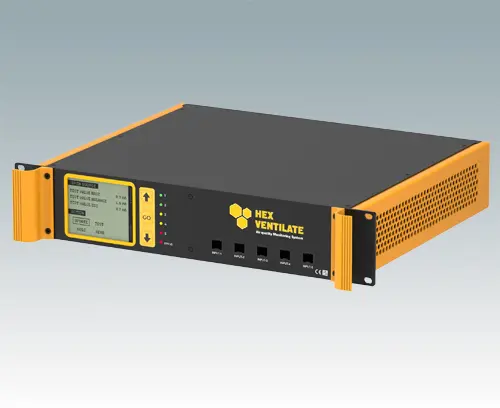
Yes, sometimes – but it depends on the electronics within the enclosure. A ventilated rack enclosure can be perfectly adequate for heat dissipation but only if the thermal problem has been properly quantified and the enclosure is matched to it. In low-power or convection-friendly designs, a well-ventilated enclosure can be entirely sufficient, quieter and more reliable than an actively cooled one. But relying on ventilation by default – without analysis – is one of the most common mistakes in rack equipment design.
From a thermal engineering perspective, ventilation slots or perforations enable natural convection: heat generated by internal components warms the air, reducing its density and allowing it to rise and escape, drawing cooler air in from below. This mechanism is effective only when three conditions are met:
- the total heat load is modest
- there is a clear vertical airflow path
- the pressure drop across the vents is low.
In practice, a folded/fabricated aluminium enclosure with a small ventilation area can typically dissipate only a few tens of watts by natural convection without an excessive internal temperature rise. Above this, temperature rises will be rapid and non-linear.
Ventilated enclosures also suffer from diminishing returns if the apertures have been poorly executed. Small slot areas, cosmetic perforations or vents placed on a single face often look reassuring but contribute little to real airflow. Moreover, internal obstructions – PCBs, wiring looms, subchassis – can severely disrupt convection paths.
Where power dissipation is higher, or ambient conditions are poorly controlled, forced convection (fans, blowers or fan trays) becomes unavoidable. At that point, the enclosure’s role is to support controlled airflow rather than merely letting heat out.
Are custom 19 inch aluminium enclosures expensive?
Not as expensive as you might think. Hi-tech machinery and optimised processes help to reduce customisation costs. Smart design and advances in CNC machining and digital printing have made customisation viable even for many low-volume orders. This is particularly important for electronic instrumentation destined for niche applications.
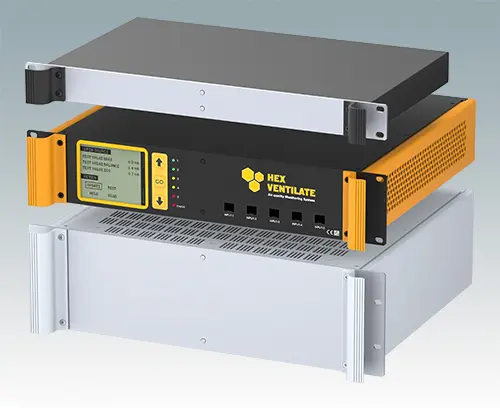
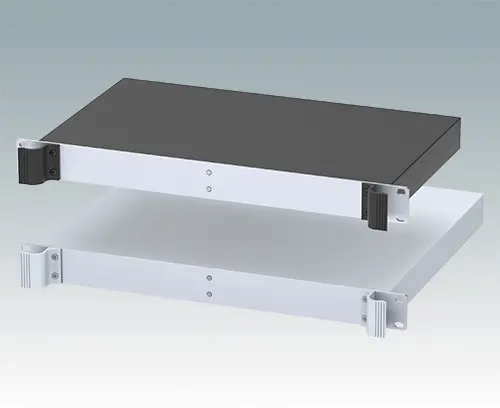
Advanced 19" rack cases such as COMBIMET have been designed to make customisation faster, easier and more cost-effective. COMBIMET has a flat front with no bezel. This helps to reduce manufacturing costs and makes this model easier to customise. This has led to the development of many variations of COMBIMET including open top, smooth/solid top and super-deep (24" (610 mm)) versions – all of which are now available as standard, further helping to reduce the cost of modifications. For this reason, COMBIMET is METCASE’s most cost-effective 19" rack case model – despite being its most versatile.
Which finish is best for aluminium electronic enclosures?
Fine-textured powder-paint finishes are strongly recommended. METCASE has a large range of these paints in stock, with no extra charge for special colours that are from the stocked paint list. The benefit of fine textures is that they are hard wearing, they do not scratch as easily as a glossy surface and they look very professional. If need be, extra-hard-wearing fine-textured powder-paint can be specified for an even more durable finish.
Are aluminium enclosures suitable for display-mounted electronics?
Yes, they are ideally suited. METCASE has produced many 19", desktop/portable, wall-mount and VESA-mount aluminium enclosures with different types of display mounting solutions. They include integrated metal brackets behind the display for flush mounting. Threaded standoffs and mounting plates are also popular.
Aluminium enclosures are generally very well suited to display-mount electronics – they are often the default engineering choice. Success depends on treating the enclosure as part of the mechanical mount, thermal solution and EMC strategy from the outset, rather than as a cosmetic shell around the electronics.
Mechanically, folded aluminium sheet provides a strong stiffness-to-weight advantage. The folds do most of the structural work – even relatively thin material can be very rigid if the geometry is correct.
Thermally, aluminium can be advantageous for devices with displays but it needs to be part of the thermal path; heat sources need a deliberate conduction route into the chassis via thermal pads, spreaders or bonded interfaces. When done correctly, the enclosure becomes a passive heat spreader and radiator, enabling fanless designs. Surface temperature still needs checking under worst-case conditions but this is generally manageable for behind-display products.
From an EMC perspective, aluminium enclosures are usually preferable to plastics in this application. A metal enclosure provides inherent shielding in an environment that can be crowded with switching supplies, display cables and wireless technology. Seam design, aperture control and electrical continuity matter as much as material choice. Anodising and powder coating are insulating, so grounding and bonding points must be designed in, rather than assumed.
How can I reduce the cost of a fabricated enclosure?
Specifying a standard electronic enclosure and having it customised is almost always quicker and more cost-effective than opting for a fully bespoke housing. As an enclosure specialist, METCASE always assesses designs and suggests small changes which can significantly improve manufacture speed. Cost is driven far more by design decisions than by the aluminium itself. You can usually achieve meaningful savings without compromising function by simplifying geometry and standardising features.
Early engagement with a manufacturer like METCASE often yields direct cost savings. METCASE designs around its own press tools, hardware insertion equipment and finishing lines. Small changes to bend orientation, seam design or part split can eliminate entire operations. Designs that look equivalent on a drawing can differ materially in cost once translated into a real production workflow.
The single largest lever is to reduce fabrication complexity. Every additional bend, return flange, jog, or folded detail adds time, setup effort and cumulative tolerance risk. Enclosures that can be formed from one or two simple folded parts are consistently more cost-effective than designs that require multiple interlocking panels. Avoiding tight bend radii, back-to-back folds and small flange heights reduces scrap risk and enables faster, more repeatable forming. Designing bends to align with standard tooling rather than forcing special punches also lowers cost, particularly at low to medium volumes.
Material choice and thickness should be justified structurally rather than chosen conservatively. Aluminium sheet cost increases rapidly with thickness, and unnecessary thickness also increases bending force and handling time. In many cases stiffness can be recovered through fold geometry rather than added material. Selecting a commonly stocked alloy and temper in standard gauges avoids the extra costs and long lead times associated with non-standard material. Simplifying cut-outs, avoiding unnecessary internal profiles, and keeping aperture sizes sensible relative to sheet thickness all reduce cutting time.
Tolerances should be no tighter than function demands. Sheet-metal processes have inherent variability, and over-tight tolerances increase scrap, inspection time and rework. This is particularly relevant at mounting interfaces such as VESA patterns: the hole location tolerance should reflect what the mating bracket actually requires – not a generic machined-part assumption.
Hardware strategy has a disproportionate effect on enclosure cost. Each unique fastener type adds assembly overhead. Using a single screw size throughout the enclosure and minimising the total fastener count pays dividends. Captive fasteners can reduce assembly labour and prevent lost parts in the field.
Surface finish is often an underestimated cost driver. Anodising and powder coating are not interchangeable in cost or performance. It is important to get expert advice to see how costs can be minimised without compromising enclosure quality.
Get expert technical advice
Contact METCASE for specialist technical advice on specifying the best aluminium enclosures for your electronics. Engaging with METCASE early in the design process can result in cost savings and reduce time to market.
 19" Enclosures
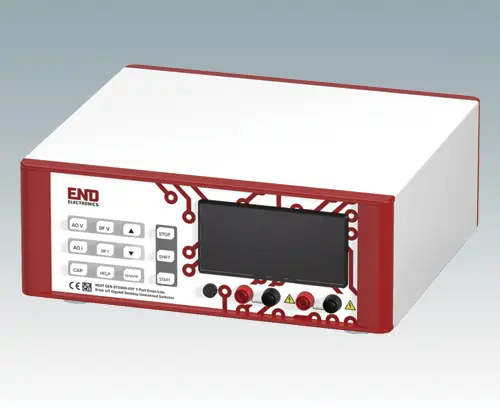
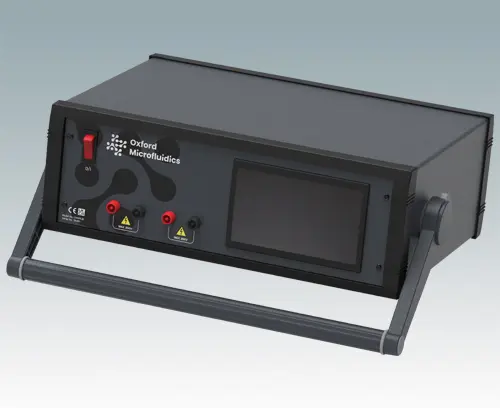
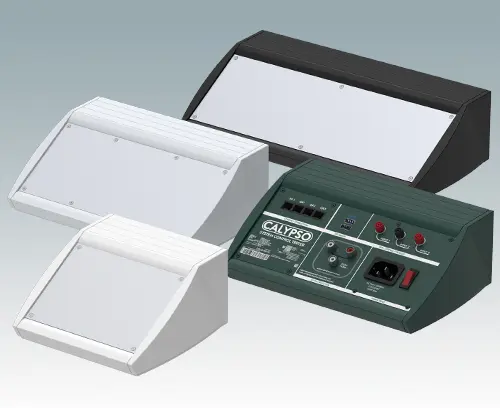

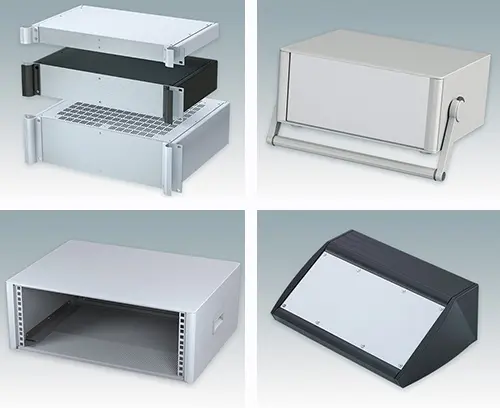 Metal Enclosures Modern metal enclosures for OEM electronics equipment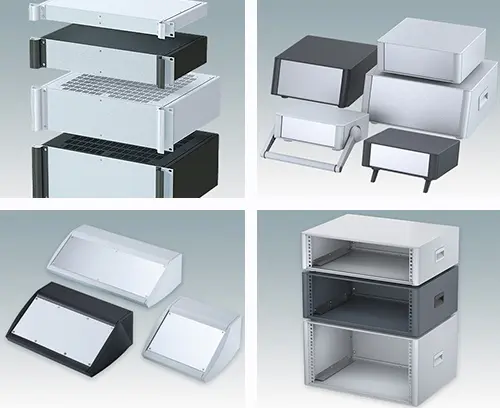
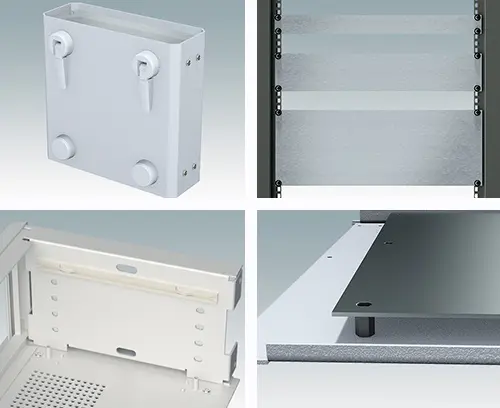 Accessories for Enclosures Extensive range of universal accessories
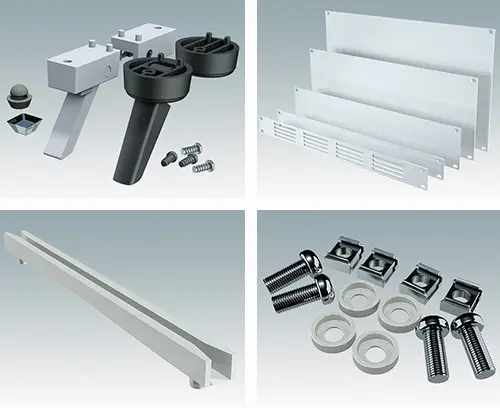 Accessories for 19" Racks Universal accessories for 19" equipment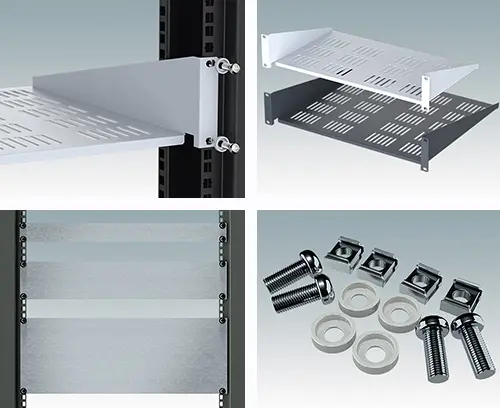
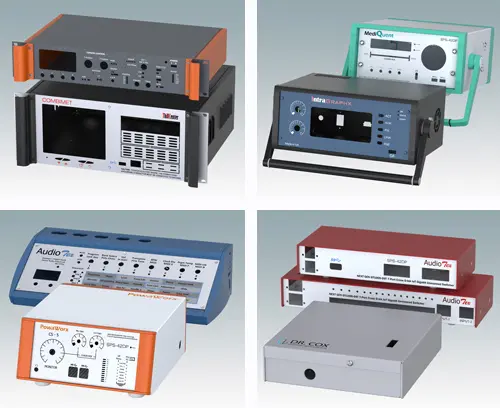 Modifications & Finishing All the customising services you need
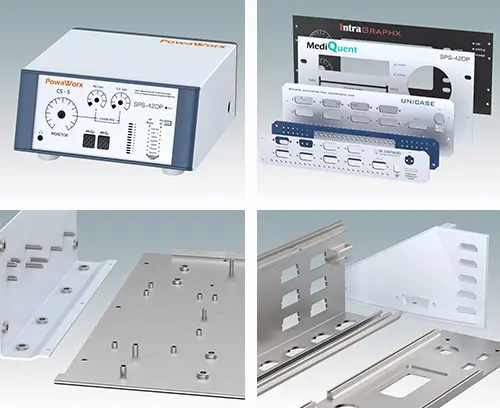 Bespoke Enclosures Bespoke metal enclosures and sheet metal parts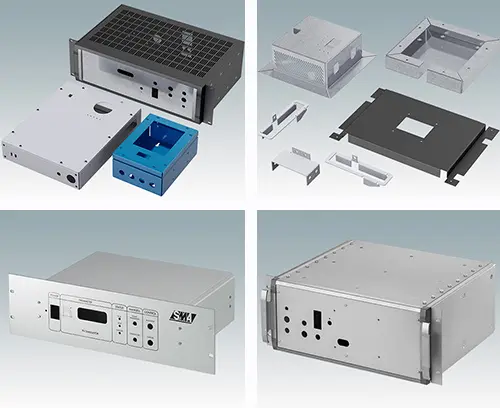
 News
News Blog
Blog
 HOW TO DOWNLOAD DRAWINGS
 FREQUENTLY ASKED QUESTIONS (FAQ)
 HOW TO SPECIFY CUSTOM METAL ENCLOSURES
 REACH Statement
 ROHS / WEEE Directives
 Discontinued Products
 Privacy Policy - GDPR (EU) 2016/679
 Cookie Policy

 General Enquiries Form
 How To Find Us
 Worldwide Sales Network